Stockholm Fintech Week made one thing clear: the fintech space is moving into a new phase. Less hype, and more focus on what actually works.

Recap of Stockholm Fintech Week 2026
24. March, 2026
The bar has raised when it comes to securing capital. There’s still capital in the market, but it’s harder to access, and the expectations are higher. It takes longer to build something investors are willing to back, and you’re expected to show real progress earlier. Revenue, growth and a clear path to profitability matter more than before, and the road to exit feels both longer and less predictable. It’s not a dramatic shift, but you can feel it.
AI is just… expected now
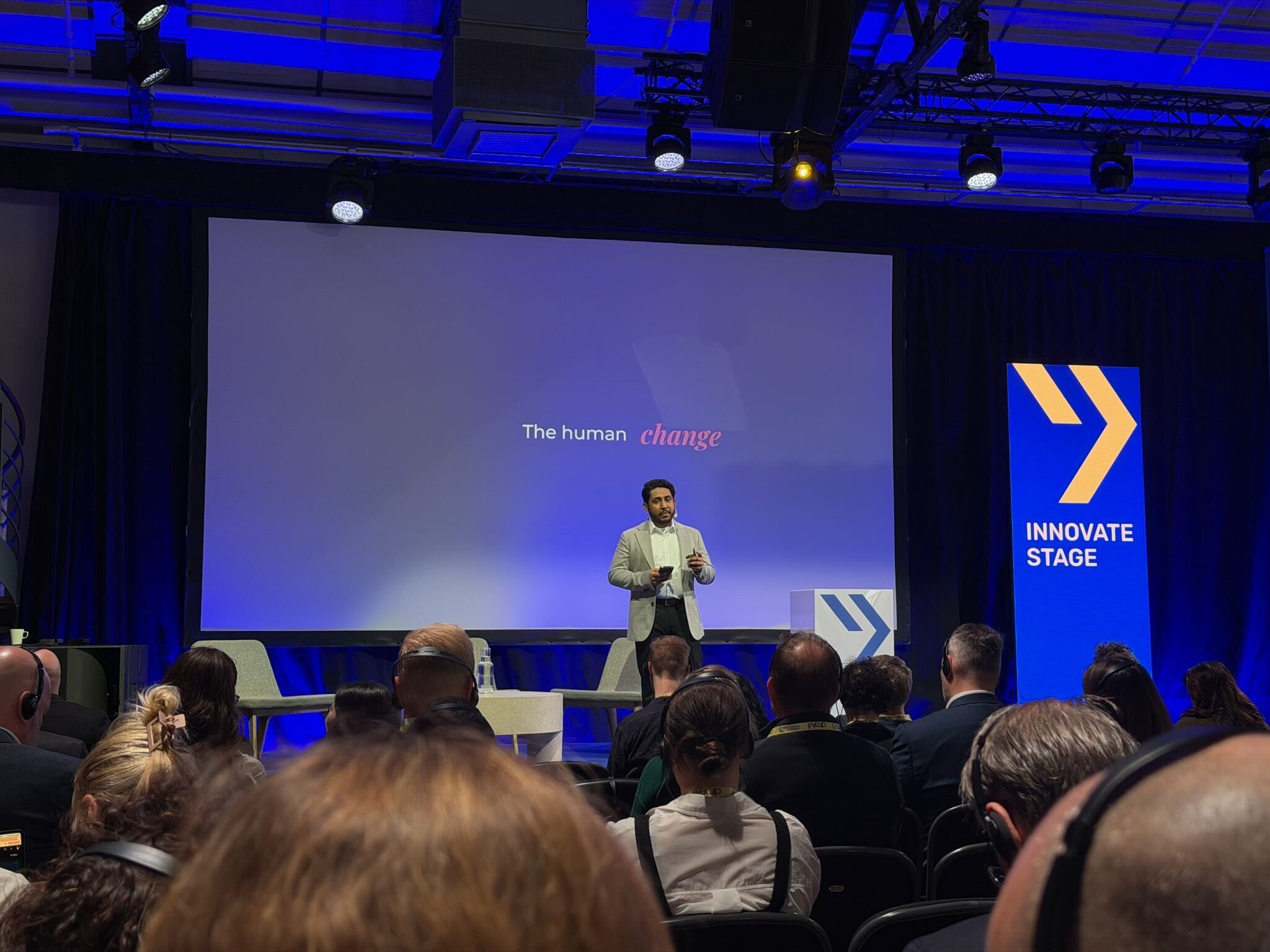
AI was everywhere, as expected, but the tone has changed. It’s no longer something that gives you an edge on its own. It’s more like a baseline. Something you’re simply expected to use. What people care about now is how it’s actually used. Not as a productivity tool internally, but as part of the product, solving real problems for customers.
Competing on experience, not just product
As more products start to look the same, the difference is increasingly in how they feel to use. Onboarding, communication and user journeys are becoming key. Not just for growth, but for keeping customers. It’s not a "nice to have" anymore. It’s core to the business.
Everyone has data. That’s not the challenge. The challenge is combining it, understanding it quickly and actually using it to make decisions. This is especially clear in areas like fraud and credit, where decisions often need to be made instantly.
And that ties into another clear shift. In payments and fraud, there’s basically no room to react afterwards anymore. Things need to happen instantly, which puts pressure not just on technology, but also on how companies are set up and how decisions are made.
Still, it comes down to people
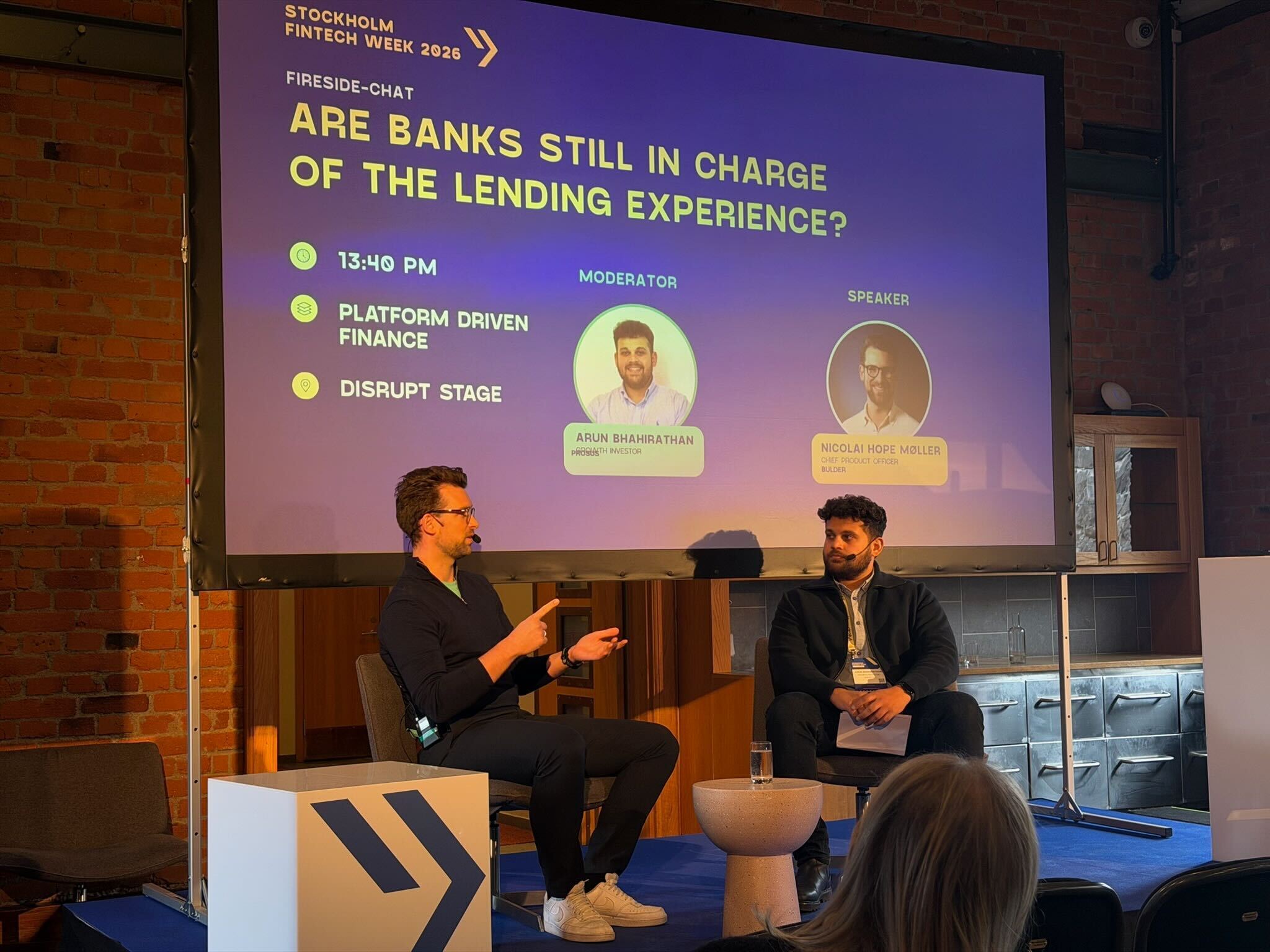
Even with all the talk about tech, one thing kept coming up: this is still about people. How things are explained, how much control users feel they have, and whether something feels simple or confusing. Those things matter.
For us in Finance Innovation, being at events like this is really about picking up on those kinds of signals. As CEO Rea Parashar puts it:
“These meeting places help us understand how others are approaching the same challenges. That gives us a better sense of what’s actually working, and what’s becoming the new normal.”
She also points out that a lot of that value comes from everything happening outside the stage.
“It’s just as much about the conversations throughout the week. We bring those insights back to the cluster, connecting people, highlighting what matters and helping move the ecosystem forward.”
Nordic networking at night
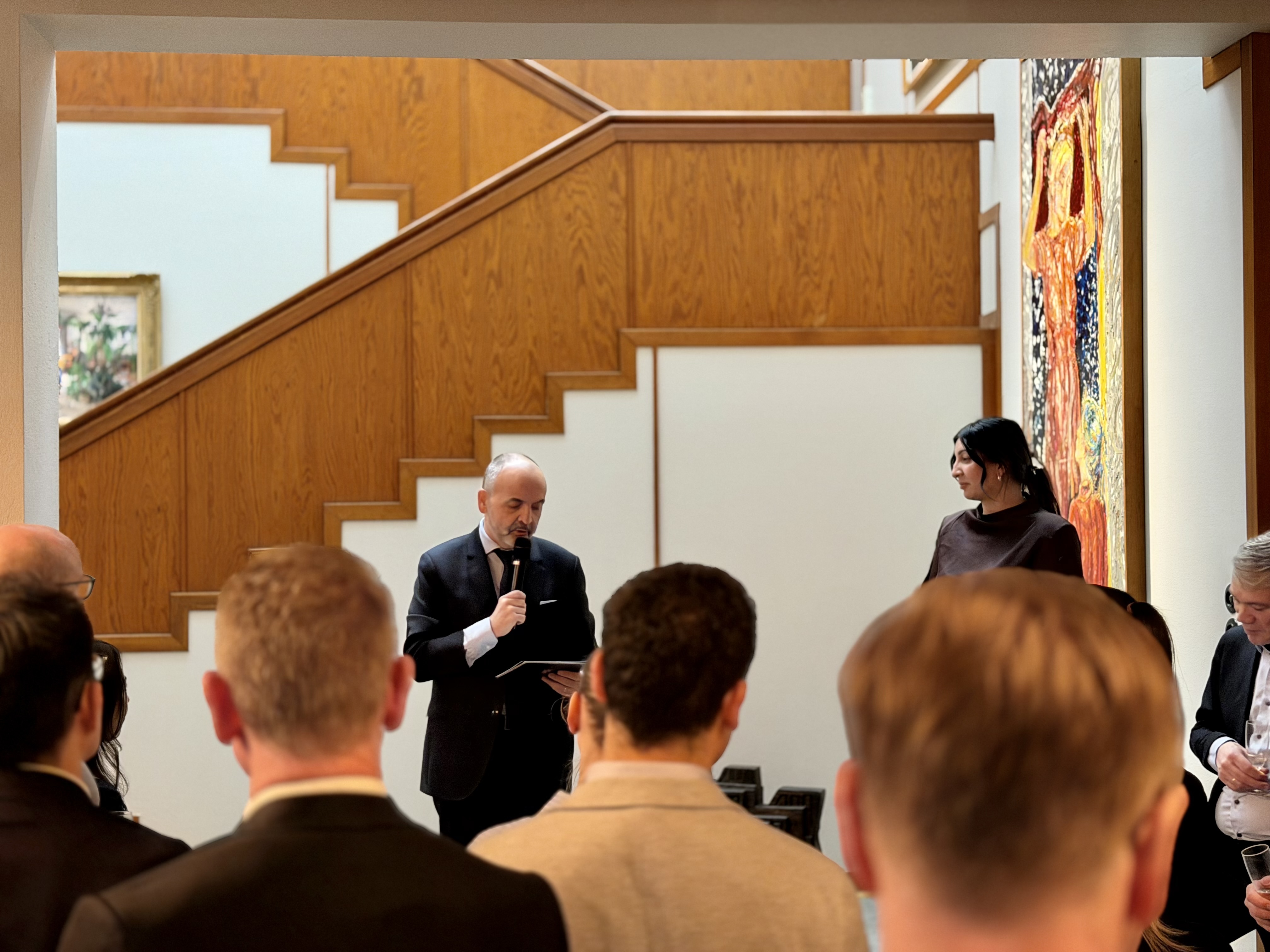
A good example of that was the networking reception we hosted at the Royal Norwegian Embassy in Stockholm together with the Embassy, Innovation Norway and the Norwegian-Swedish Chamber of Commerce.
We brought together startups, investors and corporates for an informal gathering, and that’s often where the most valuable conversations happen. Because while a lot of the themes during the week were about technology, scale and speed, what really drives progress is still people meeting, sharing and building things together.